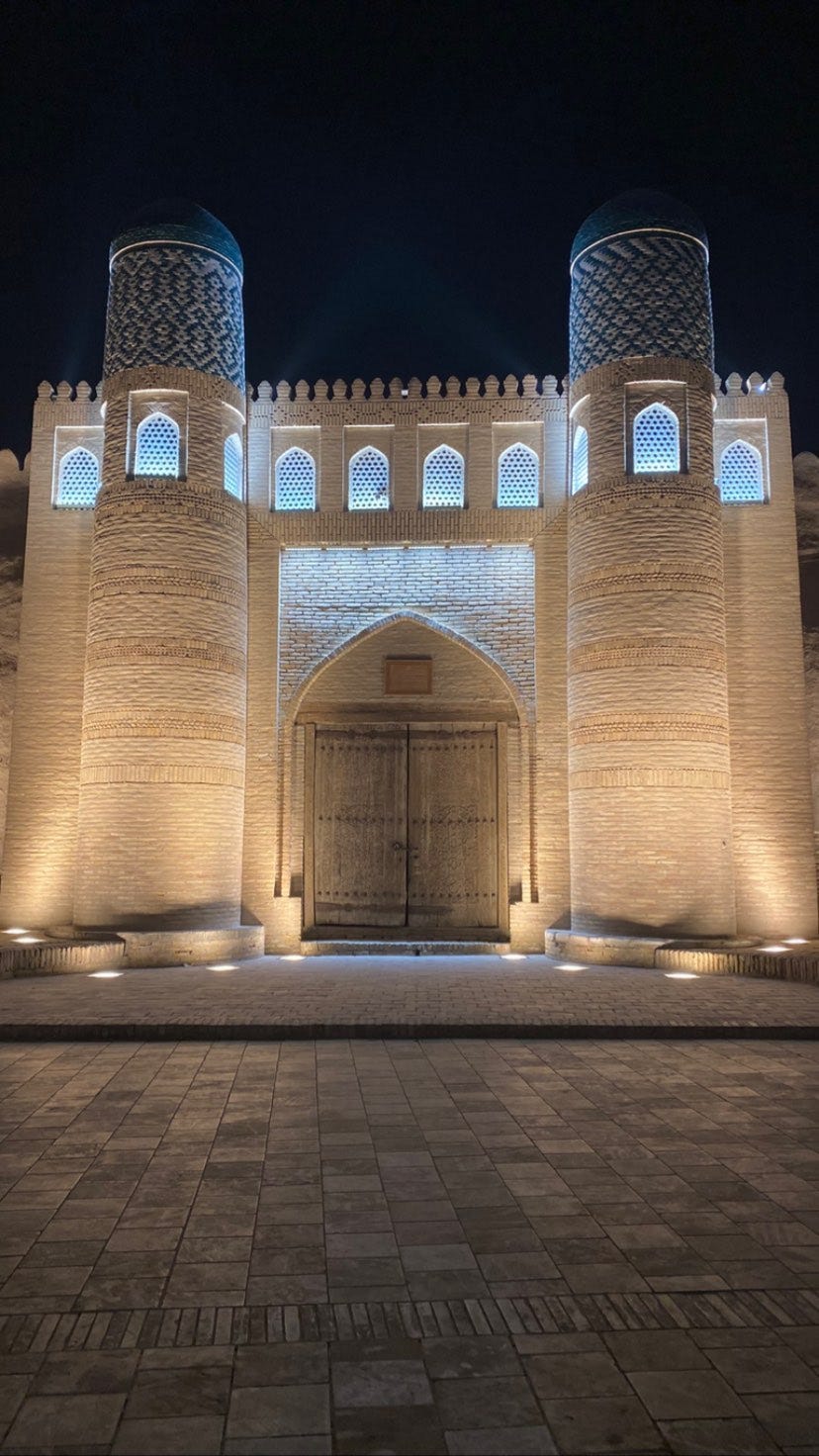
Central Asia
A Photo Essay of Roaming & Fieldwork

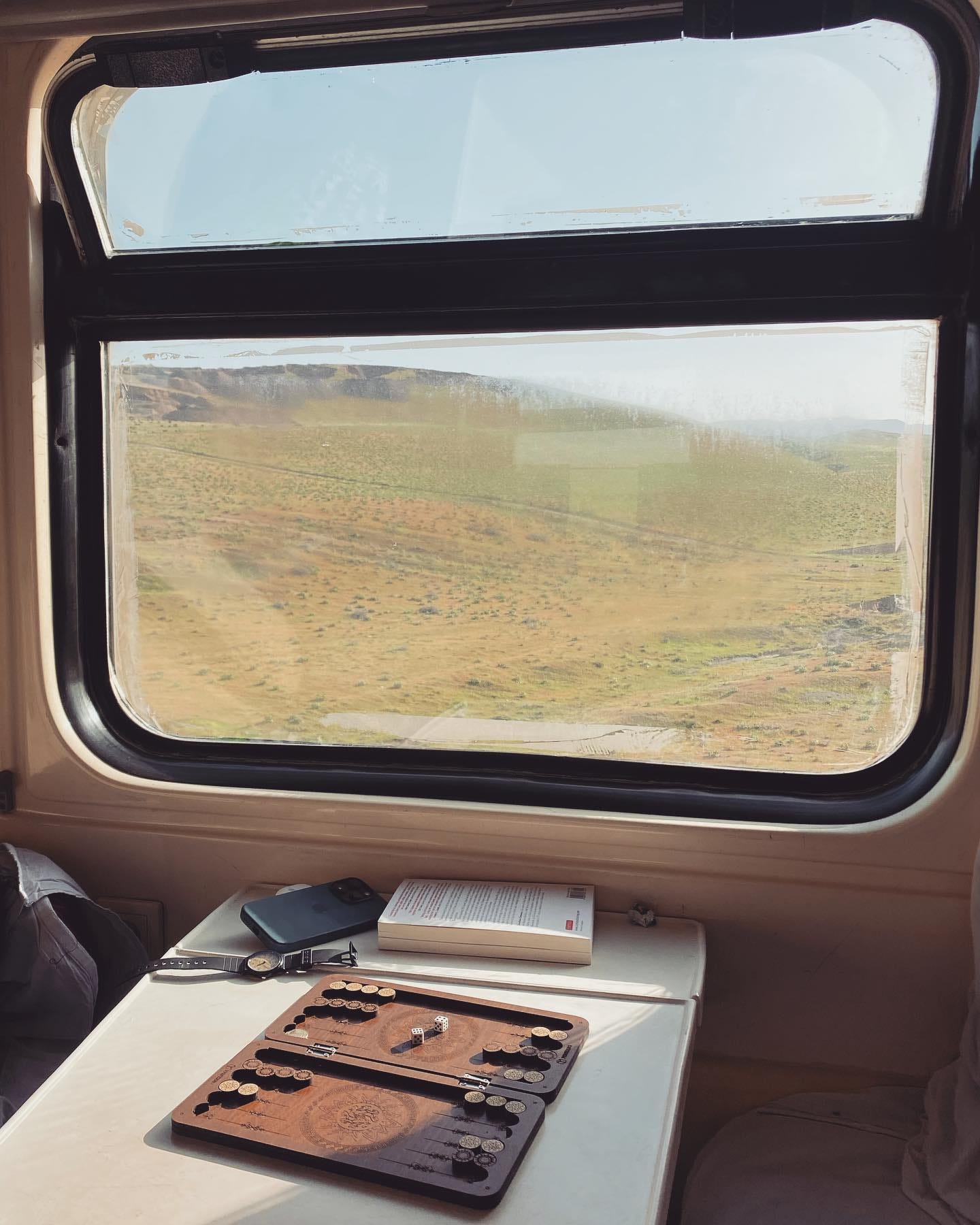
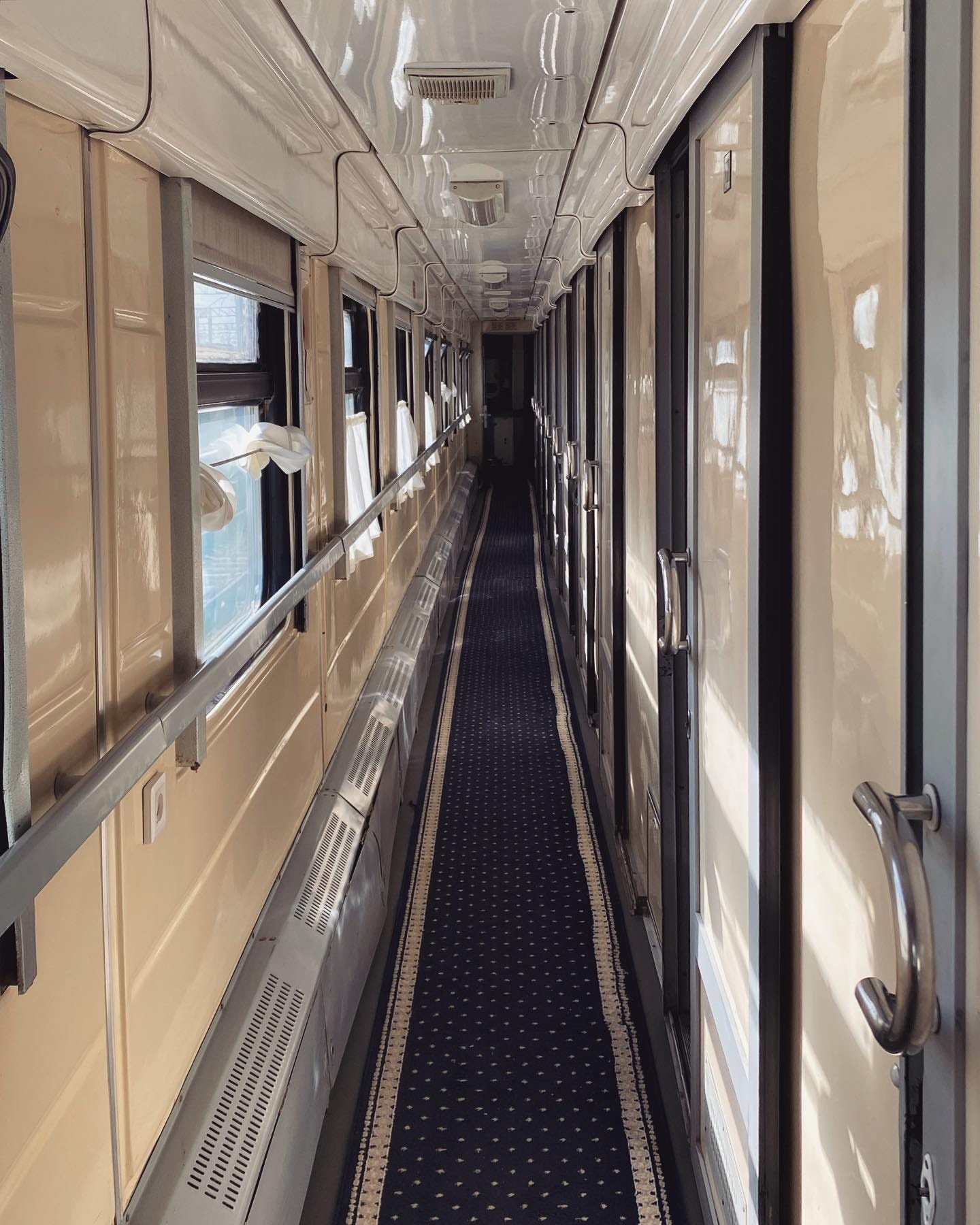
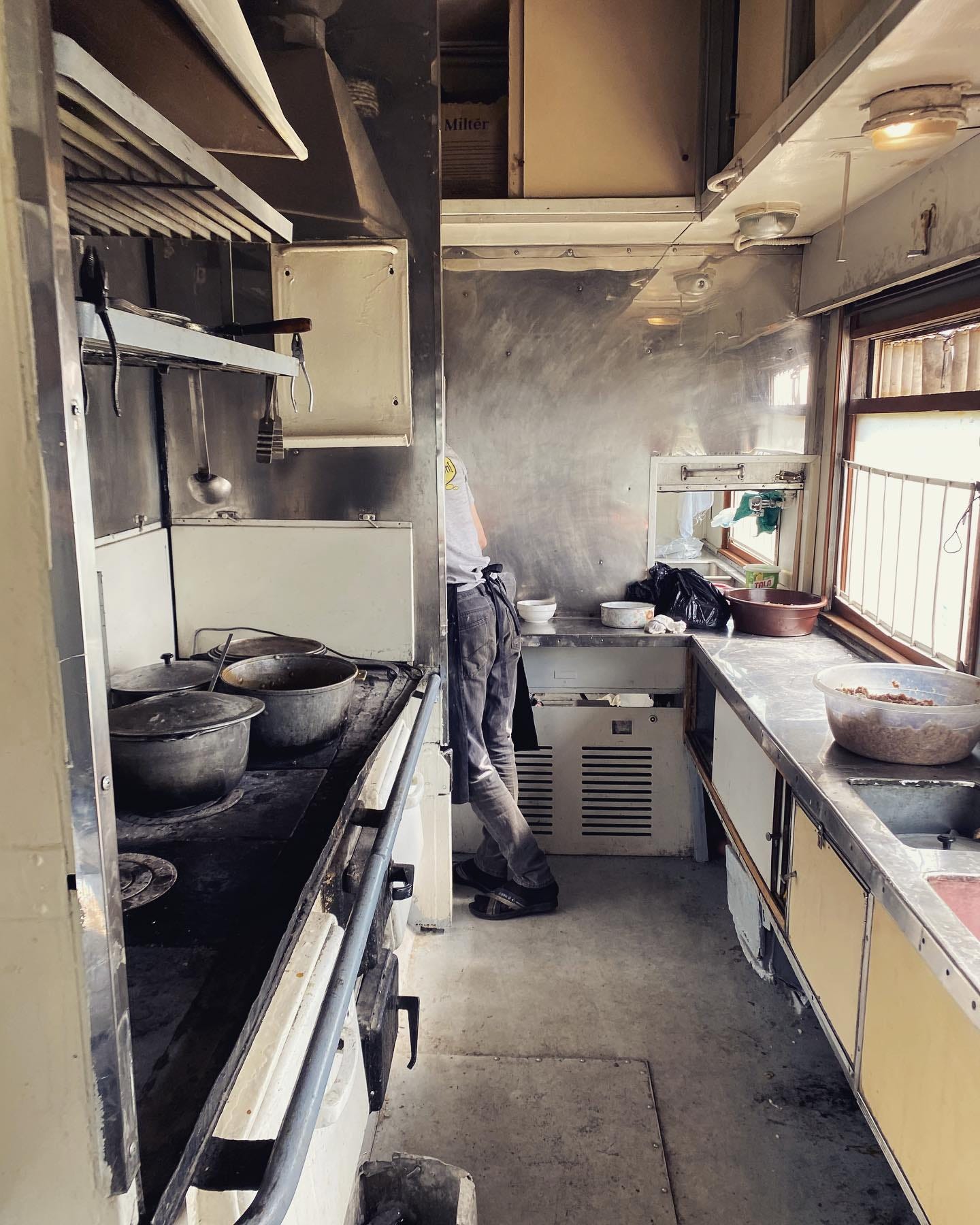
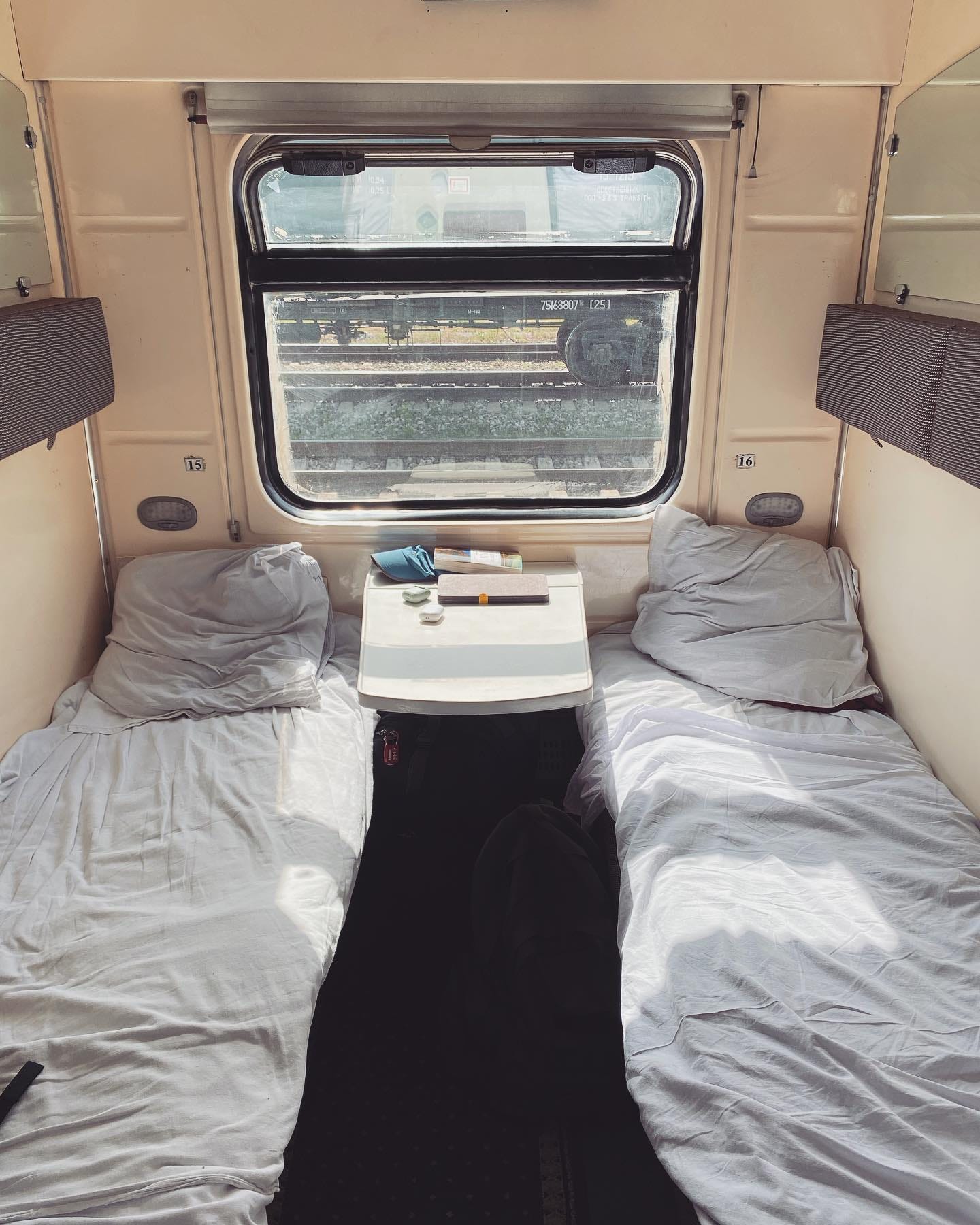
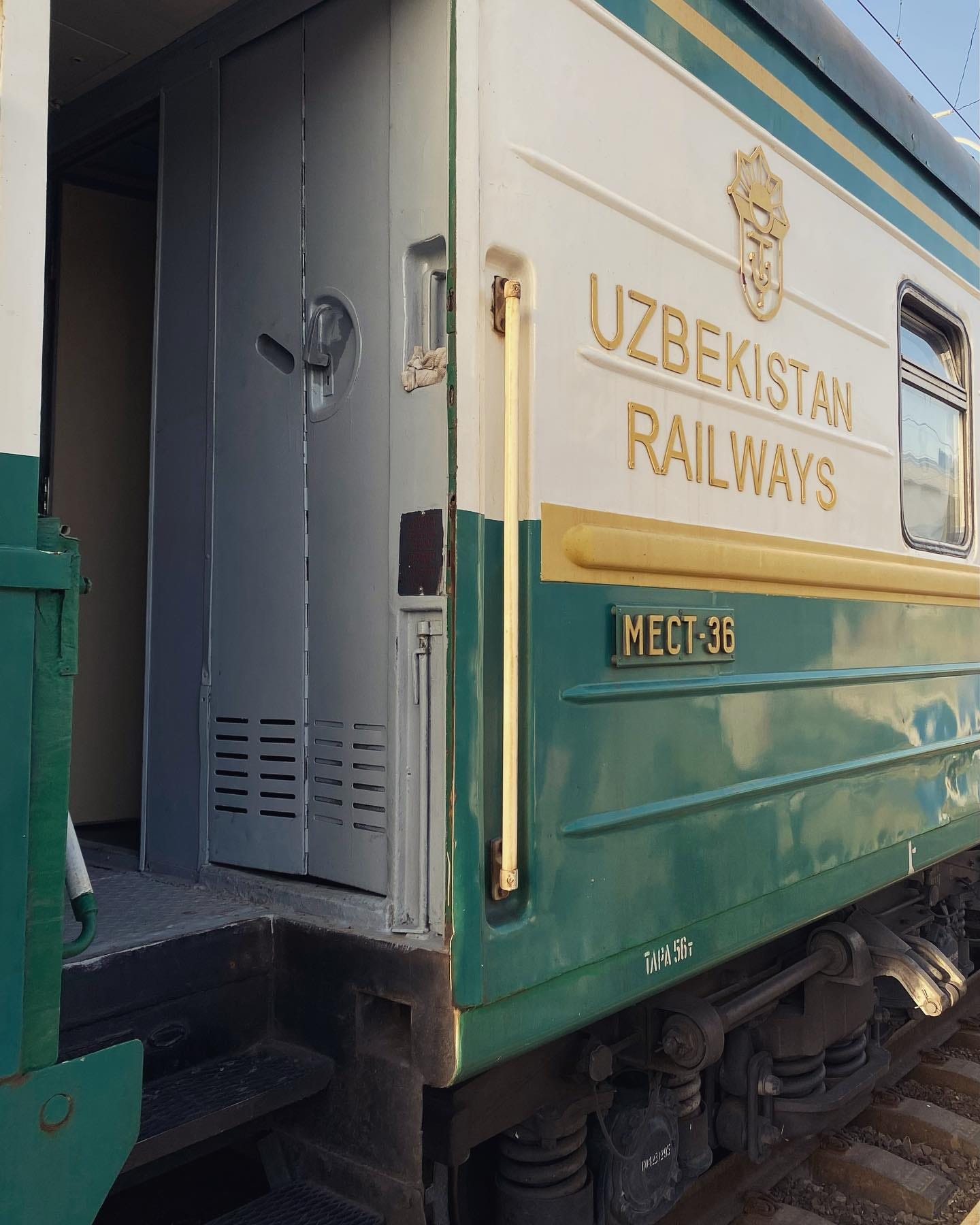
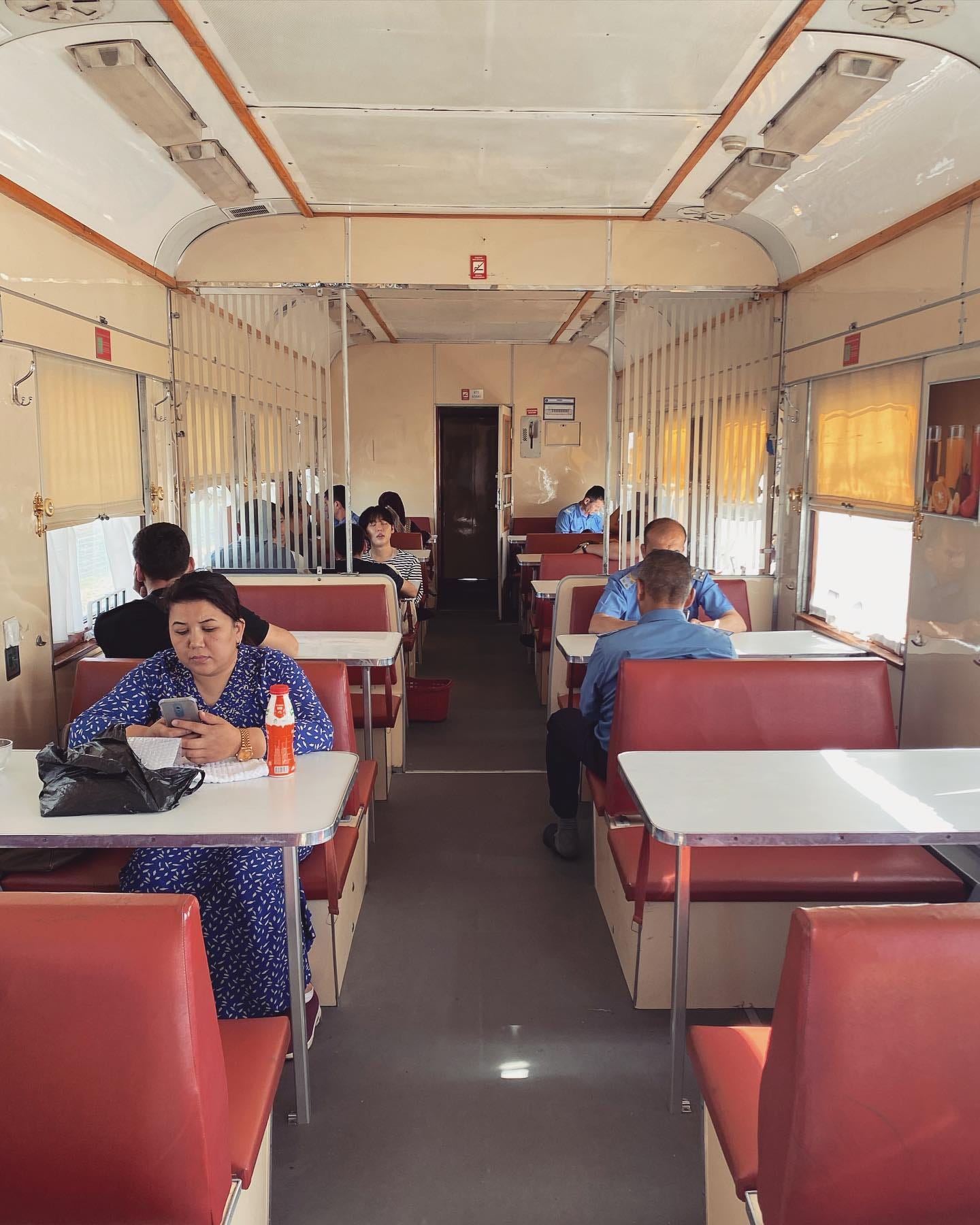
A few years ago, a friend and I set off to do some roaming and fieldwork in Uzbekistan and its environs. To get around we traveled on the old soviet-era trains which are still the cheapest and most efficient means of getting around. In each place we went we were surrounded by incredible plov, fresh bread, and occasionally, Bactrian camels.
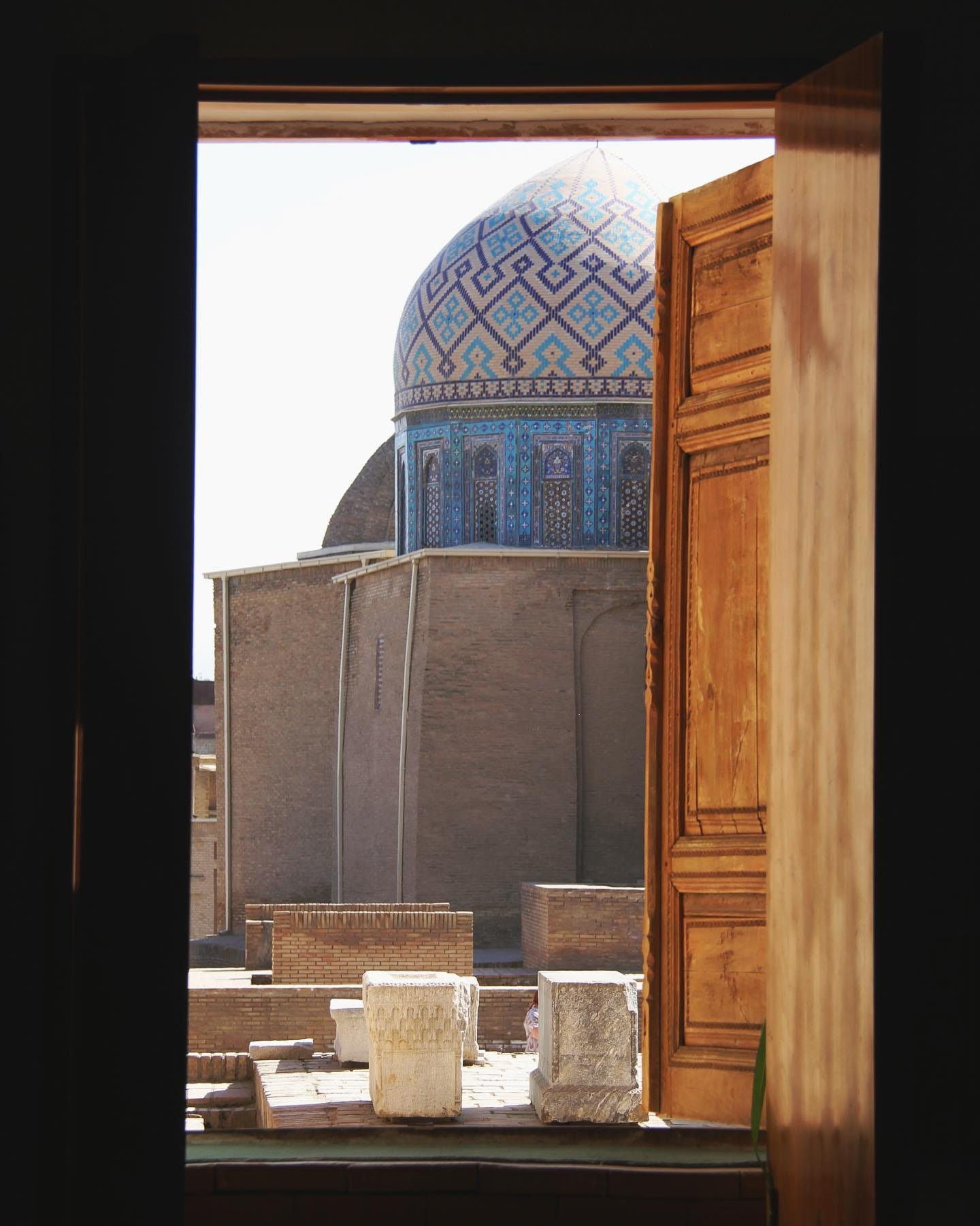
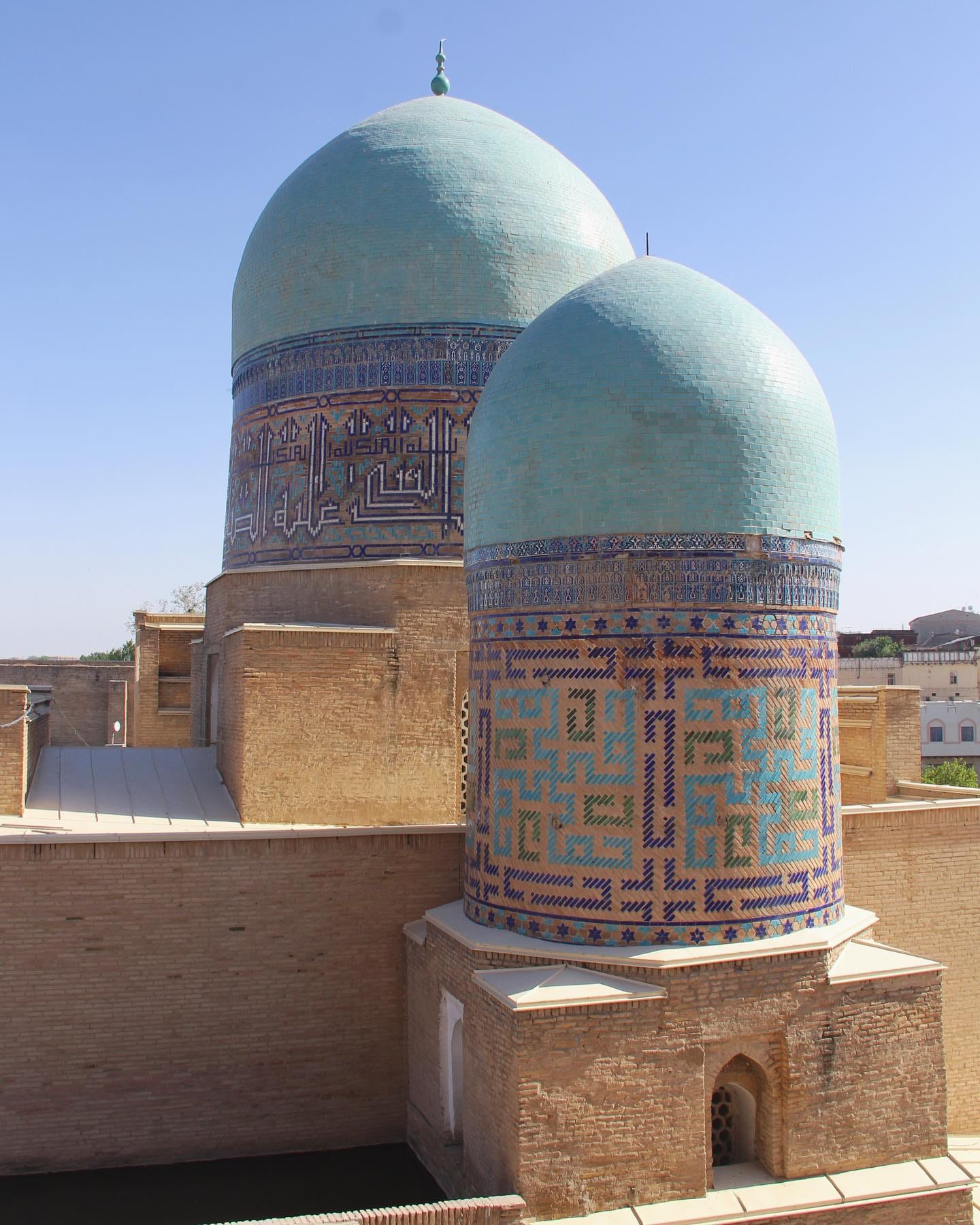
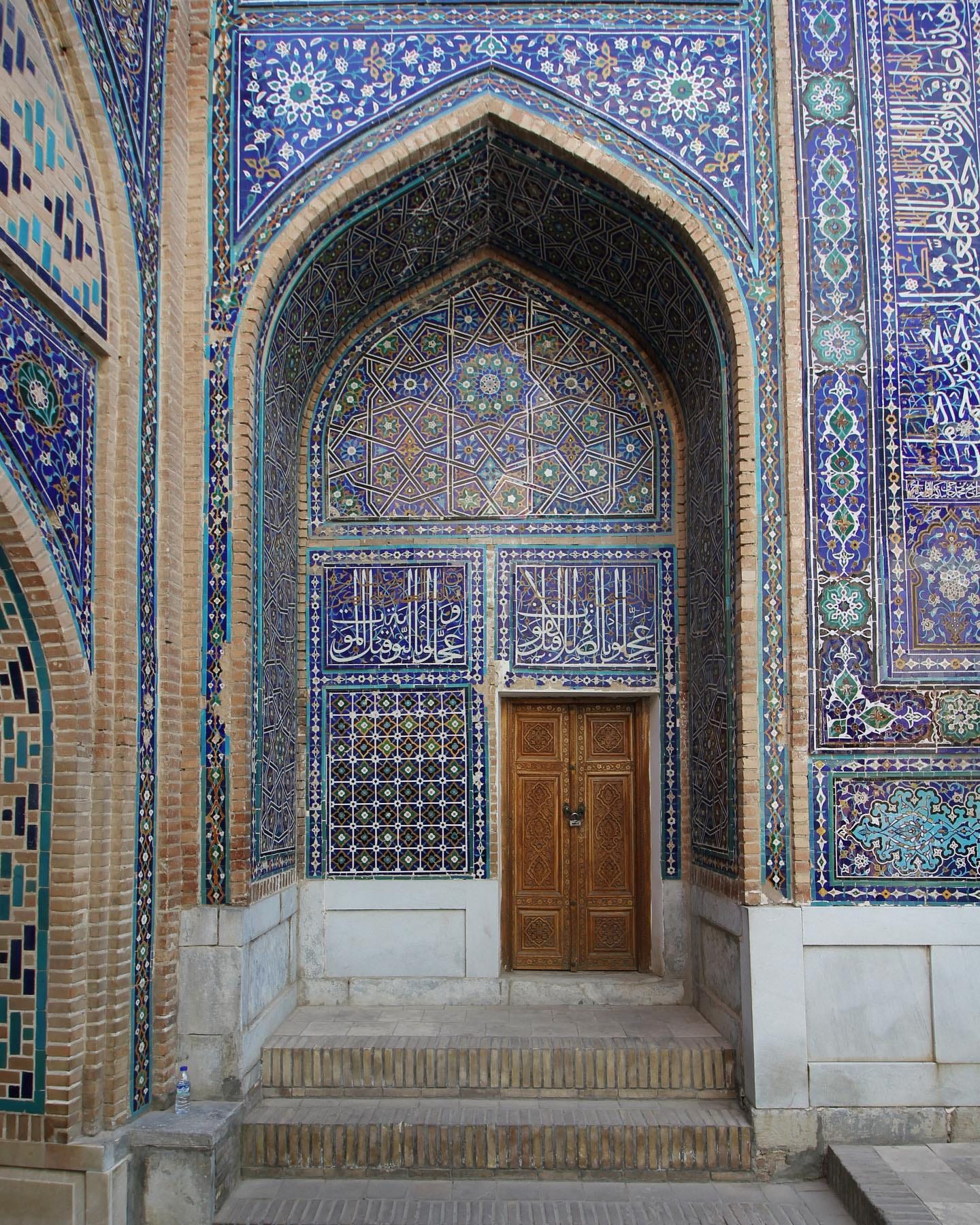
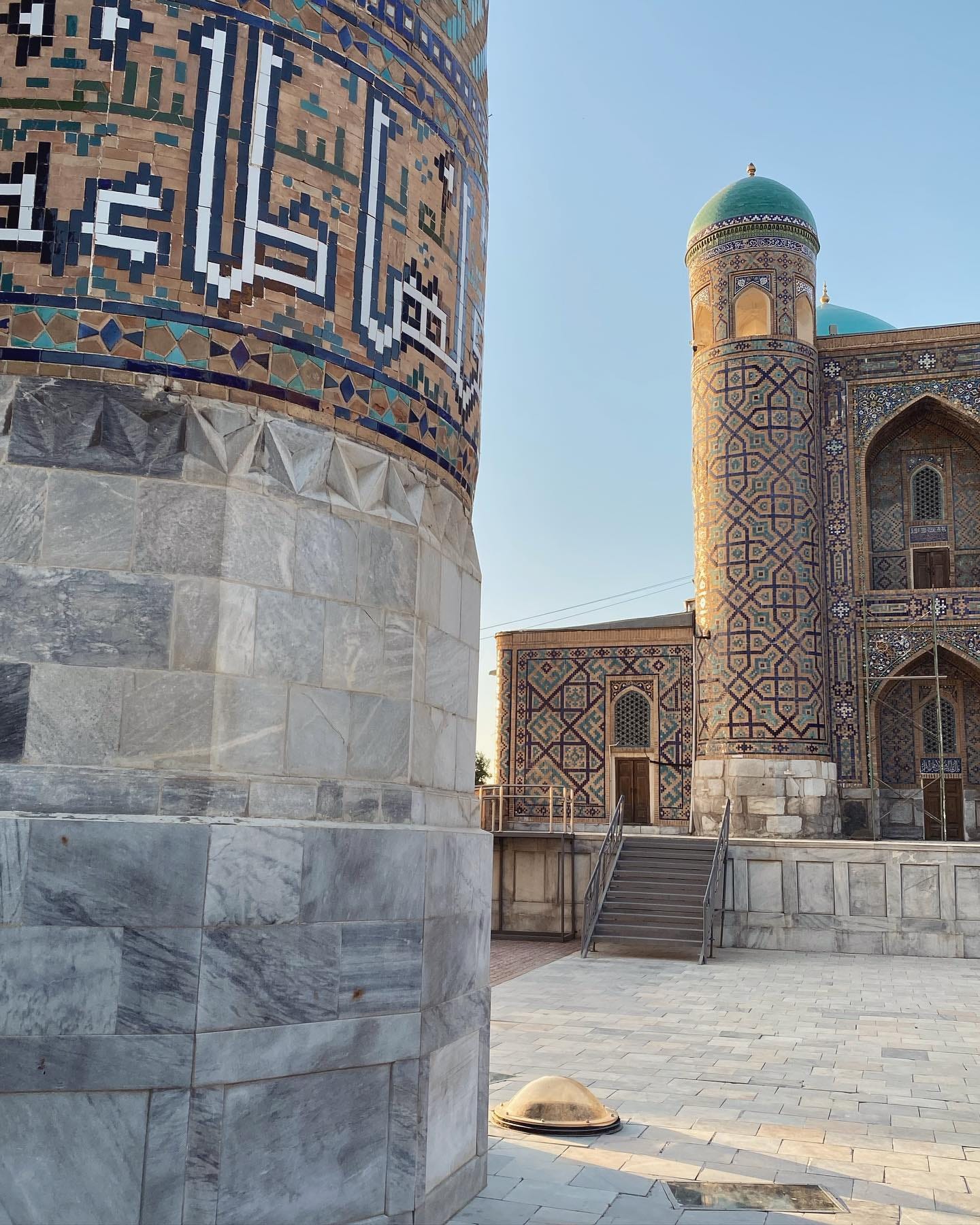
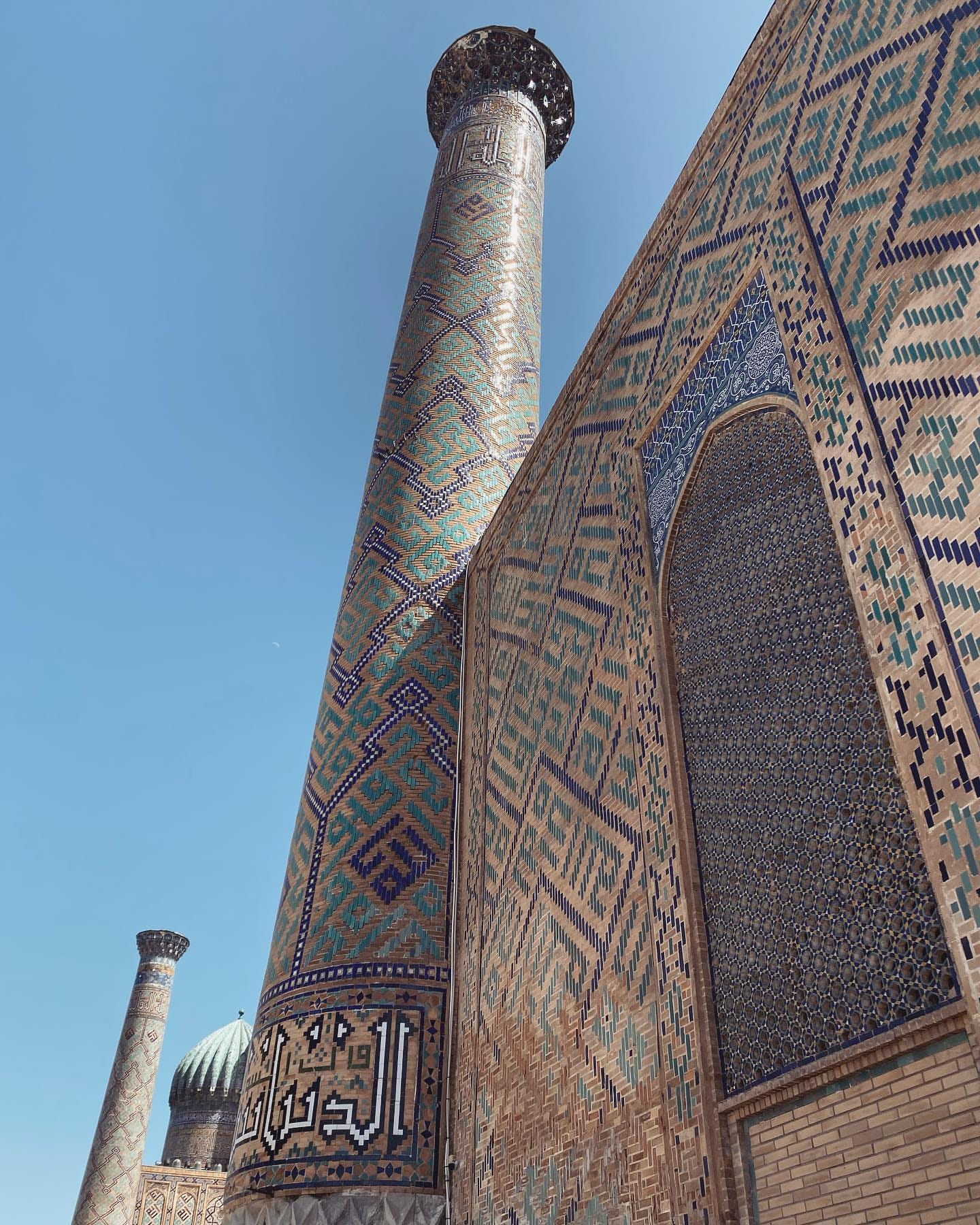
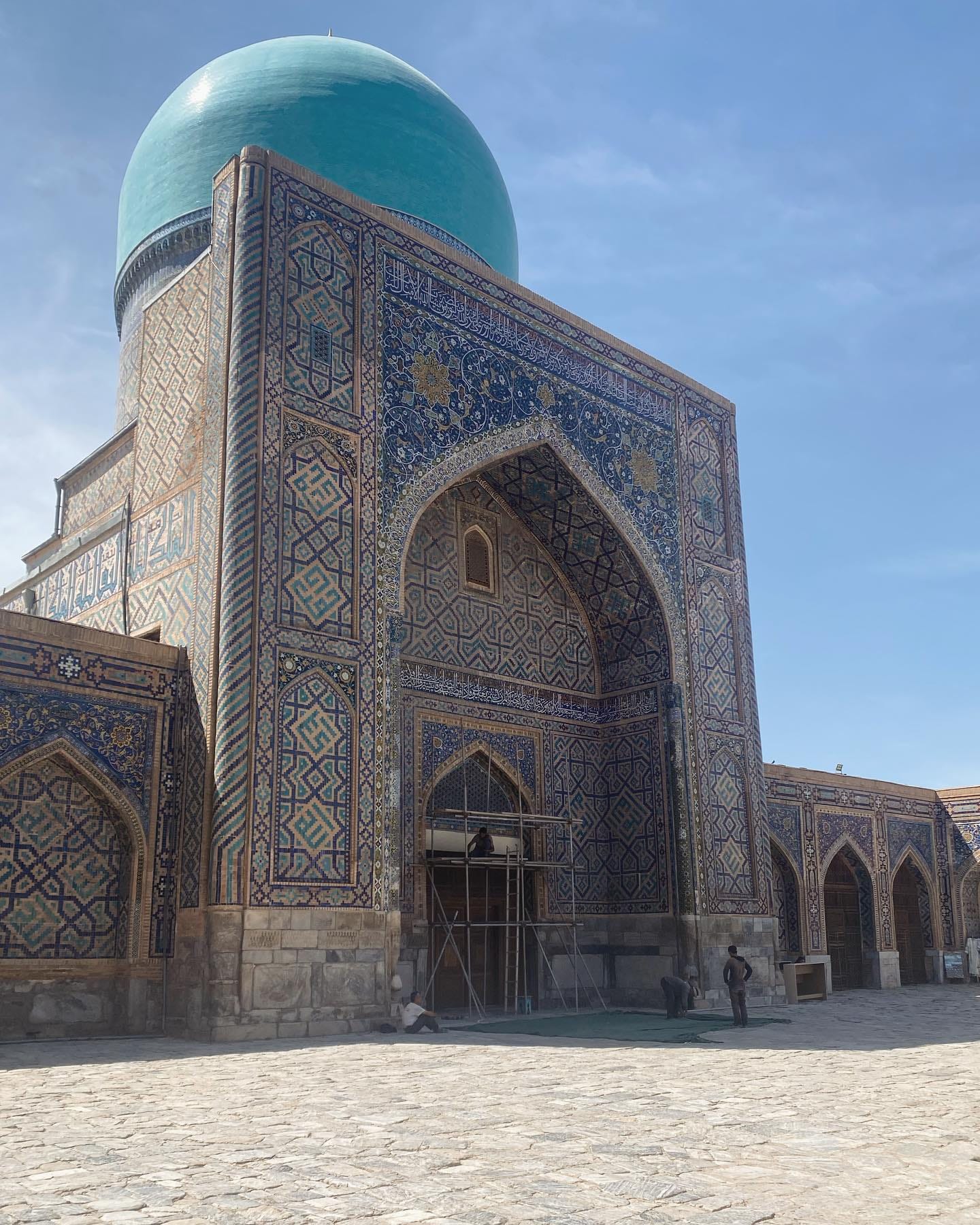
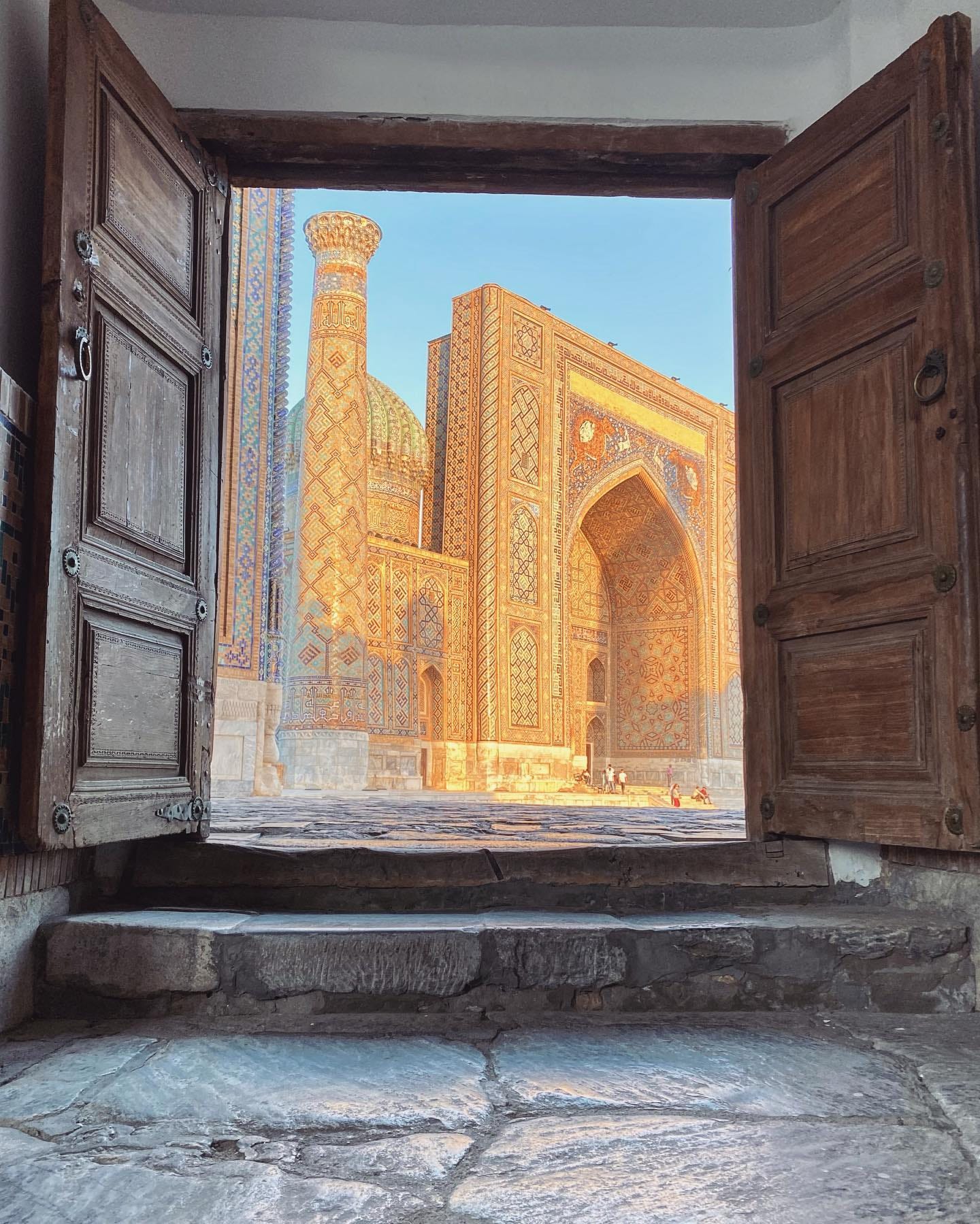
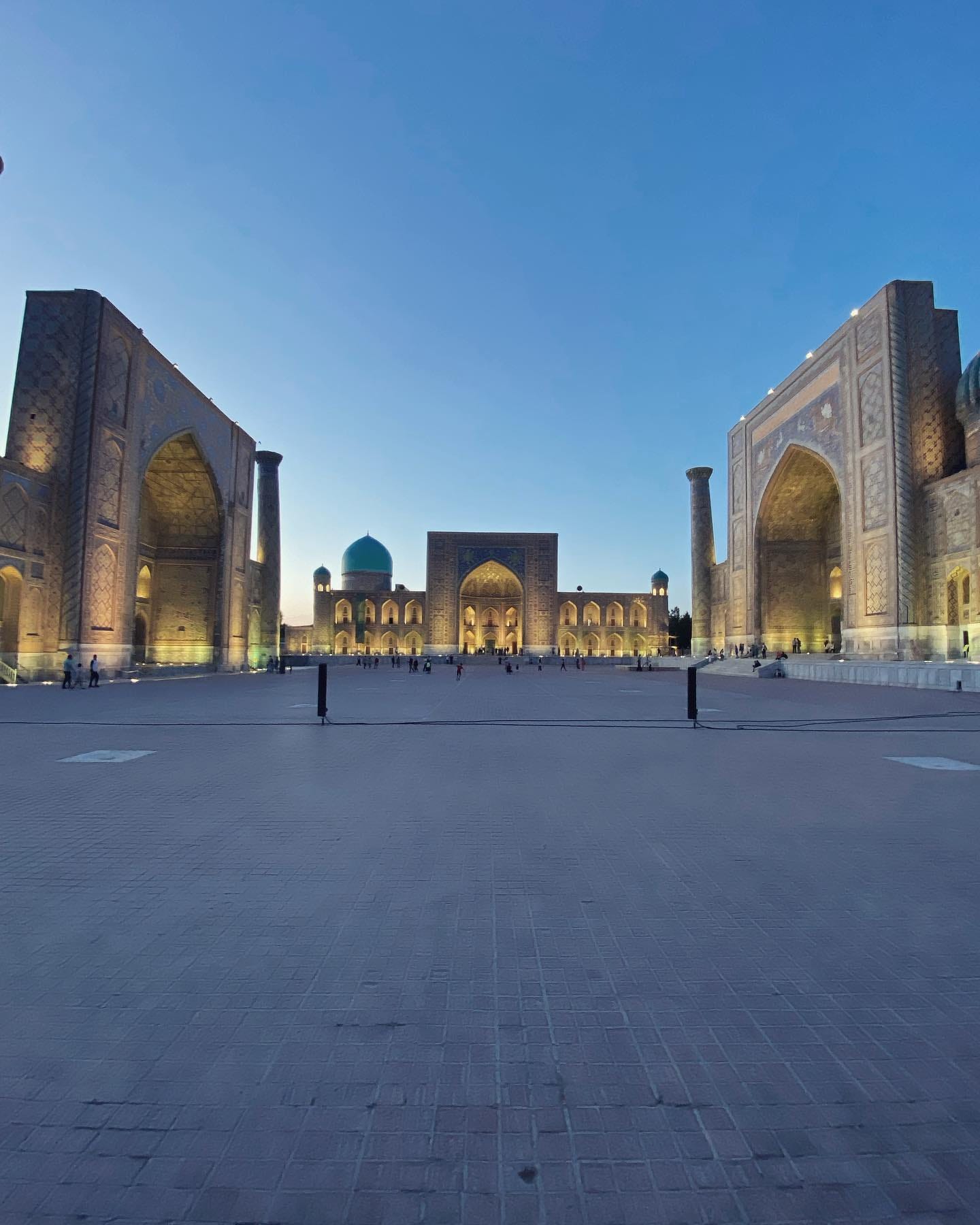
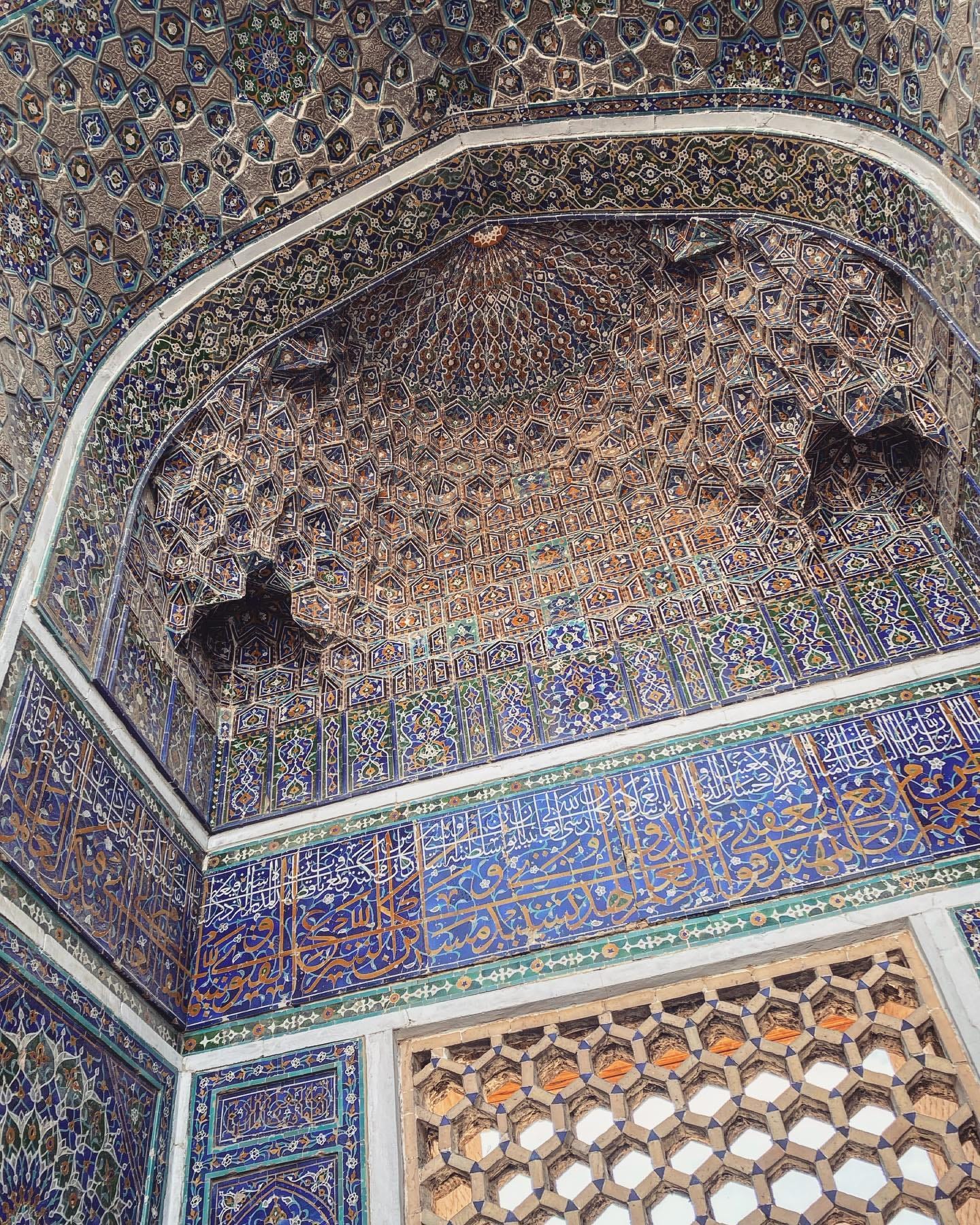
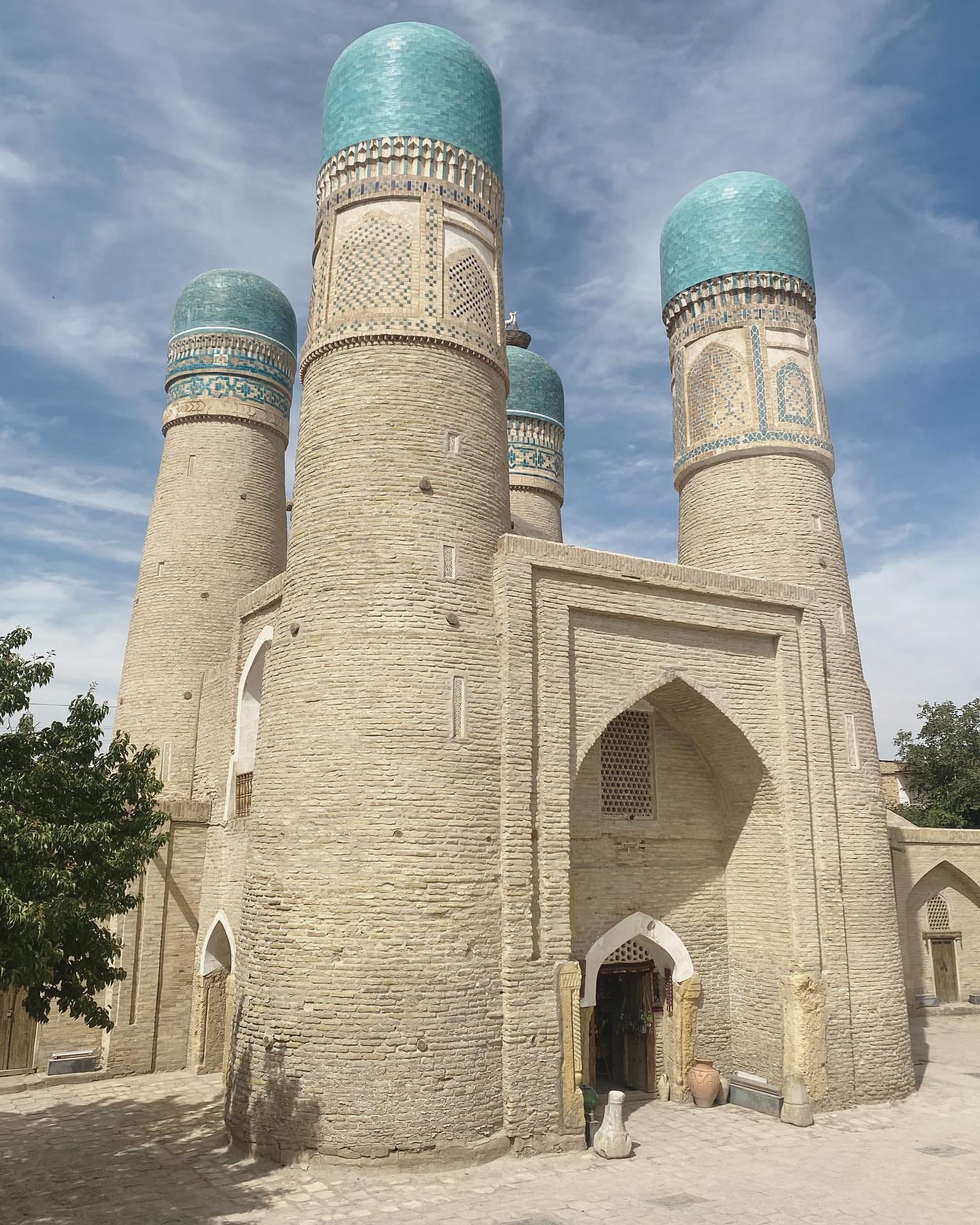
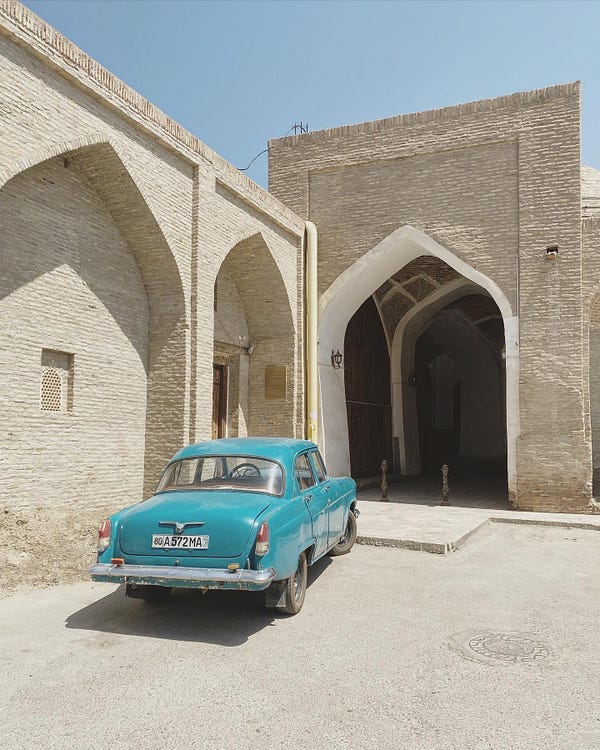
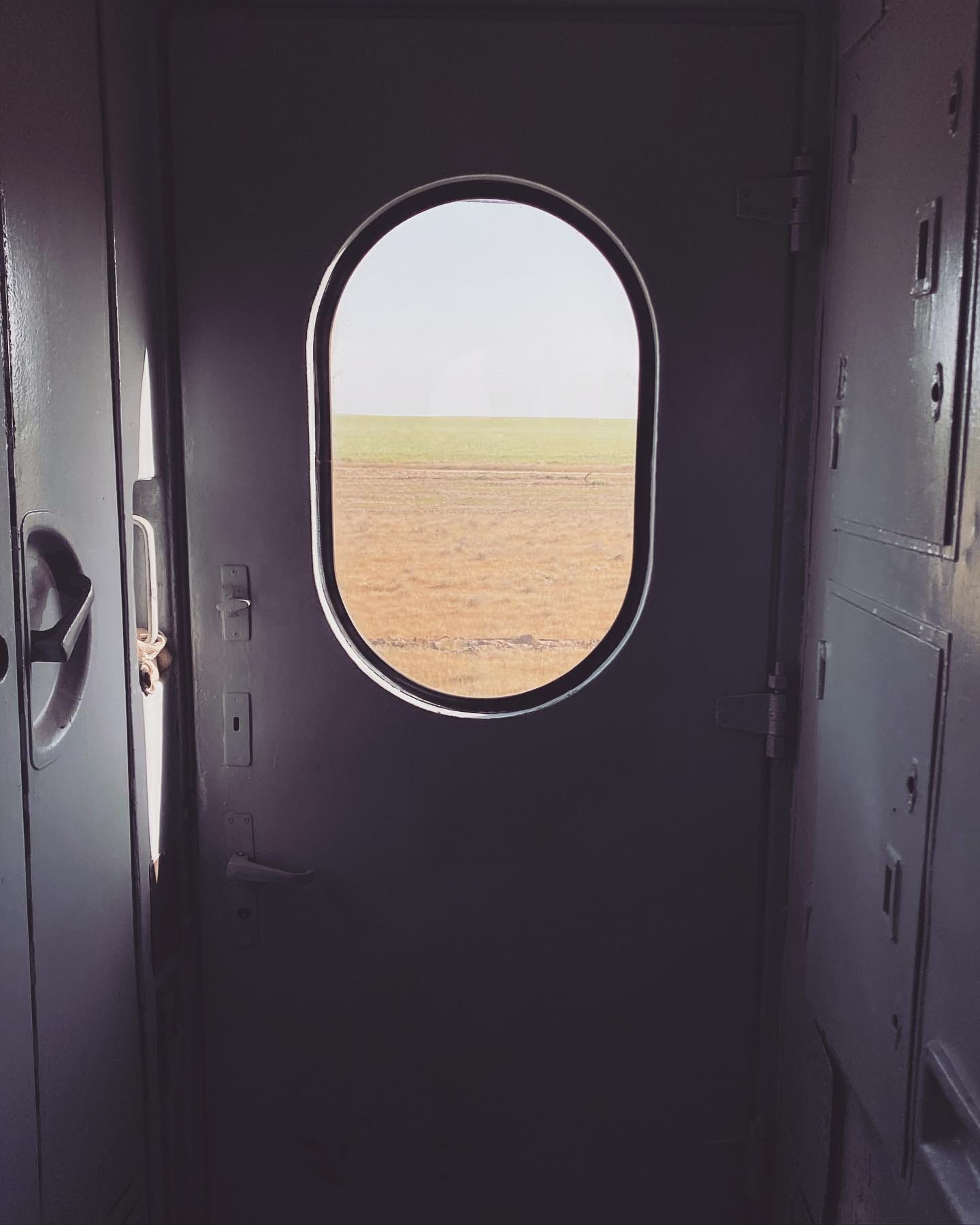
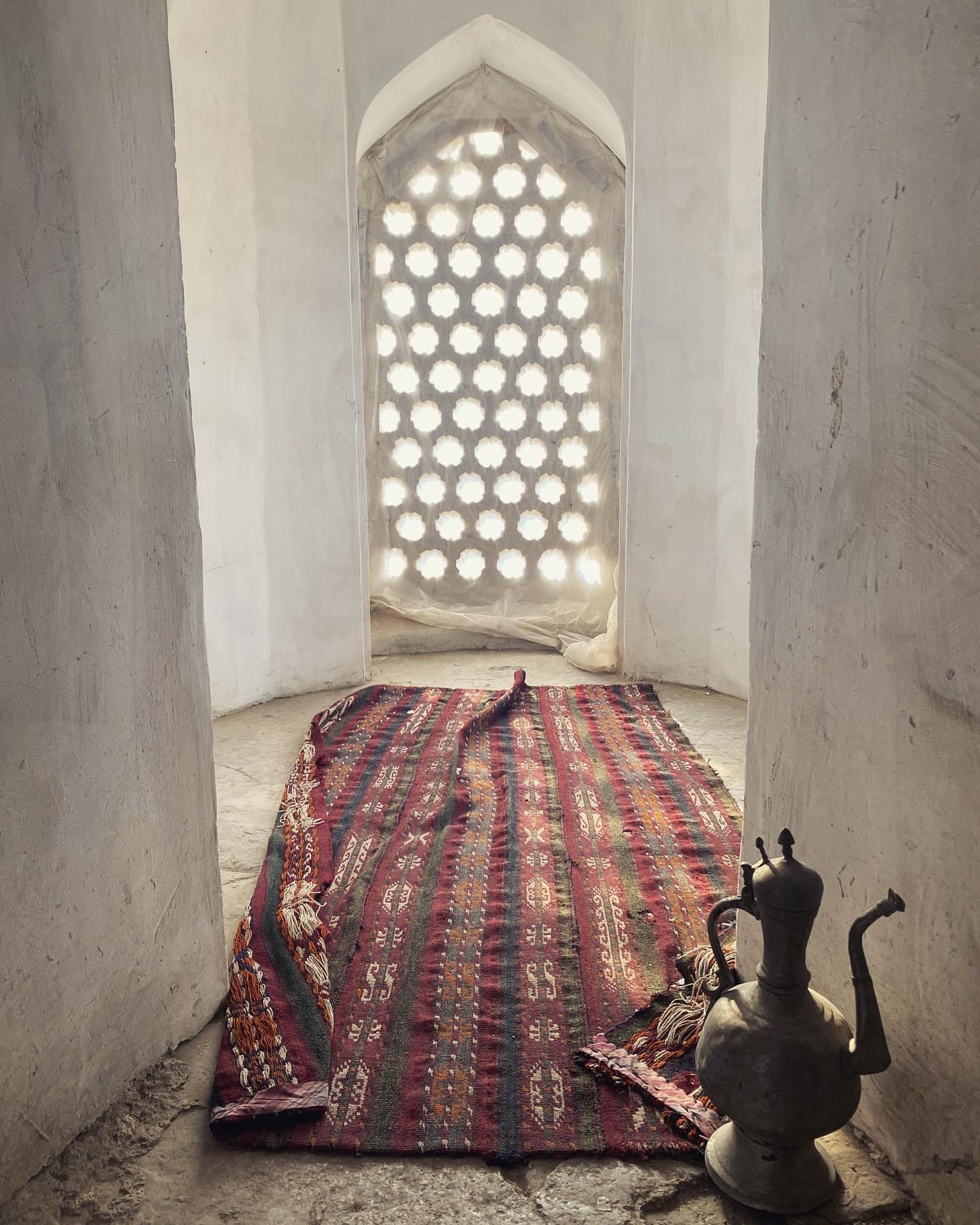
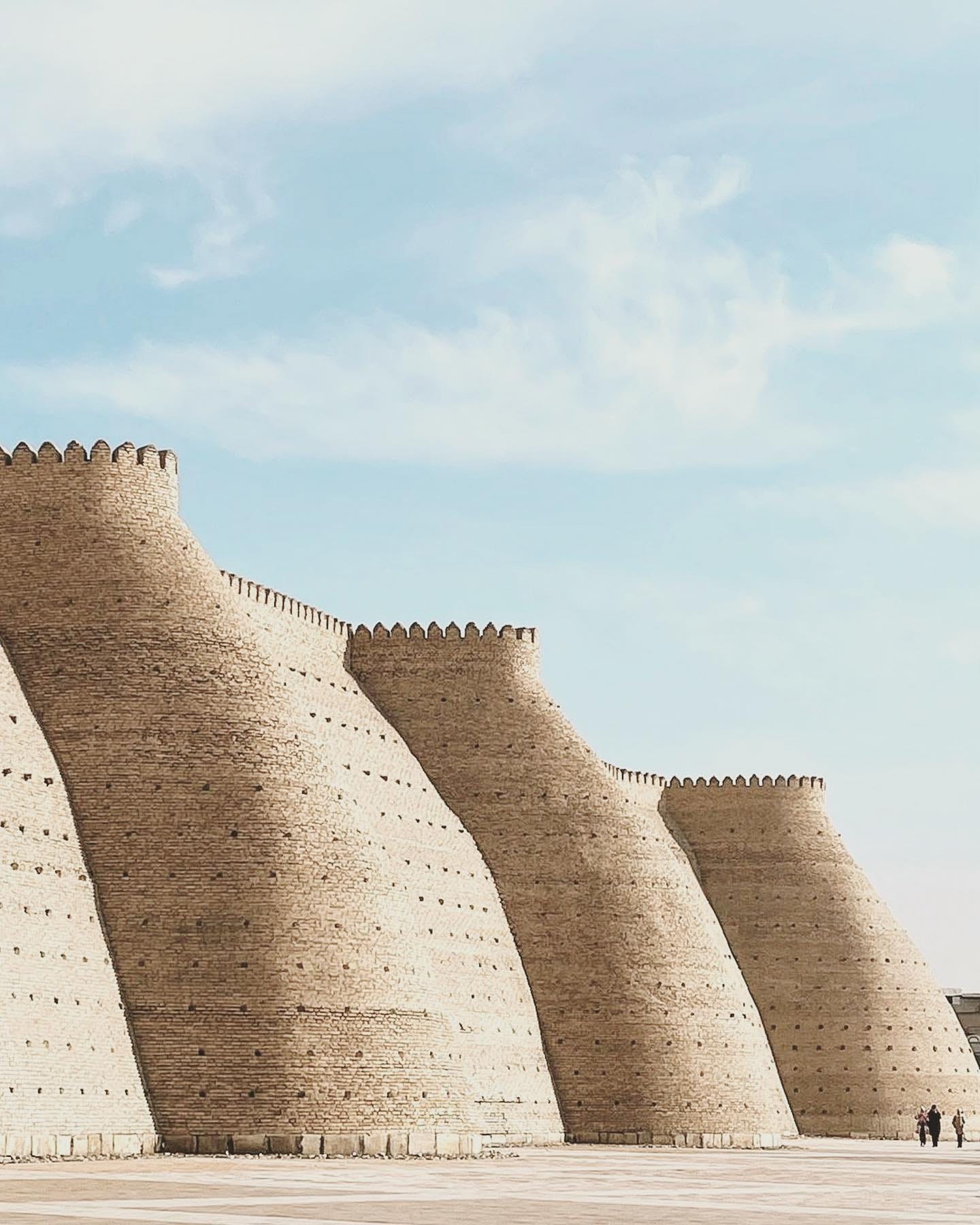
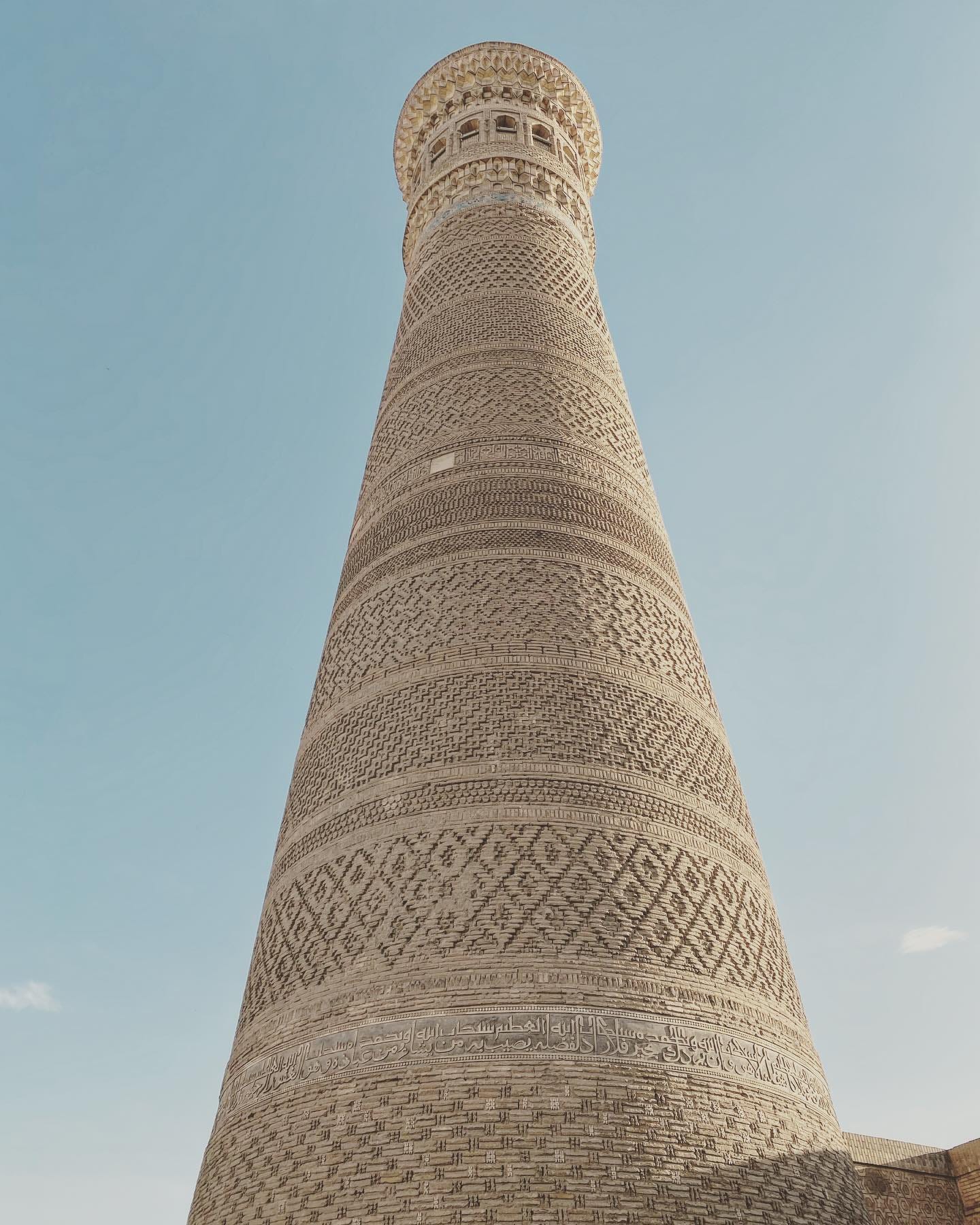
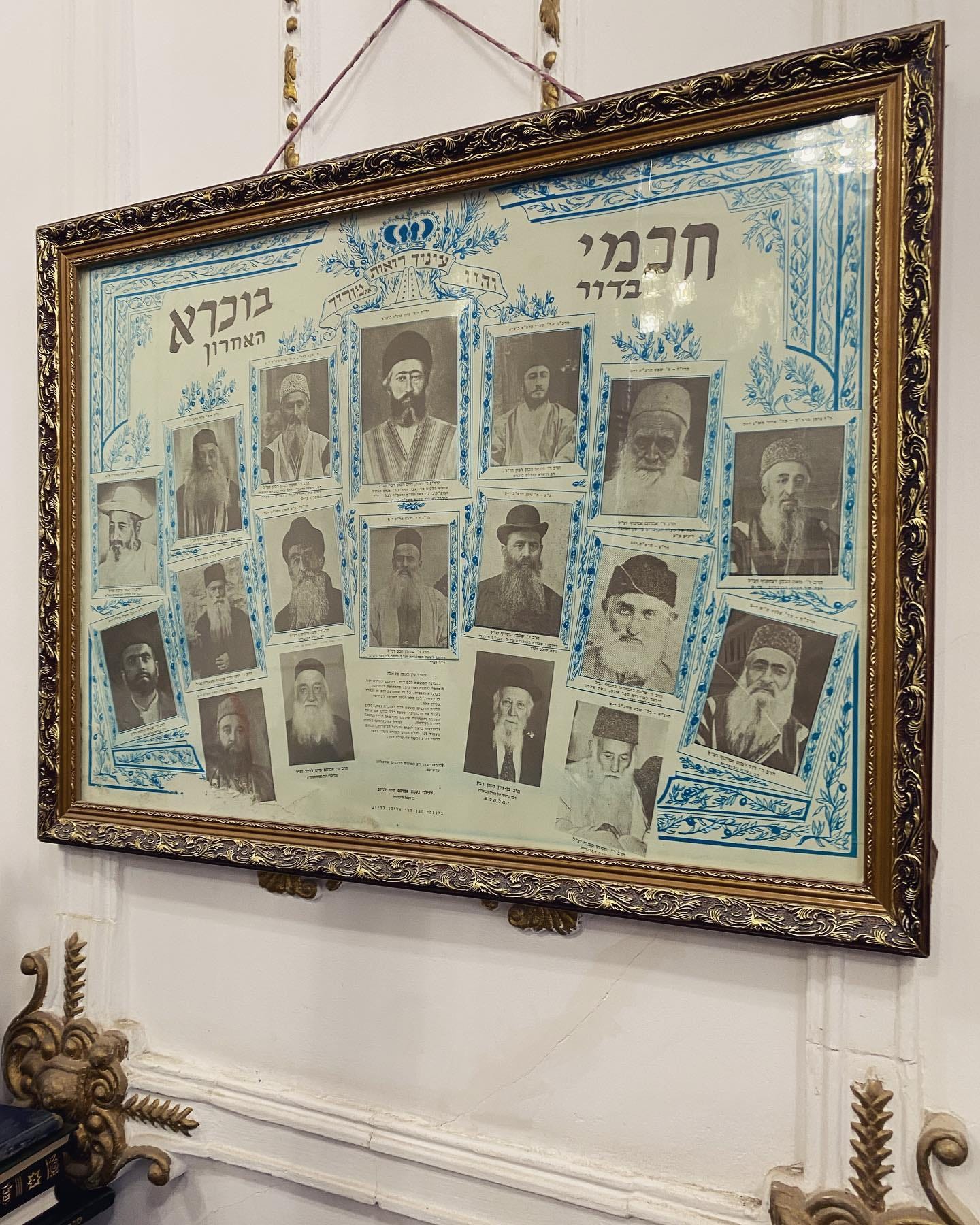
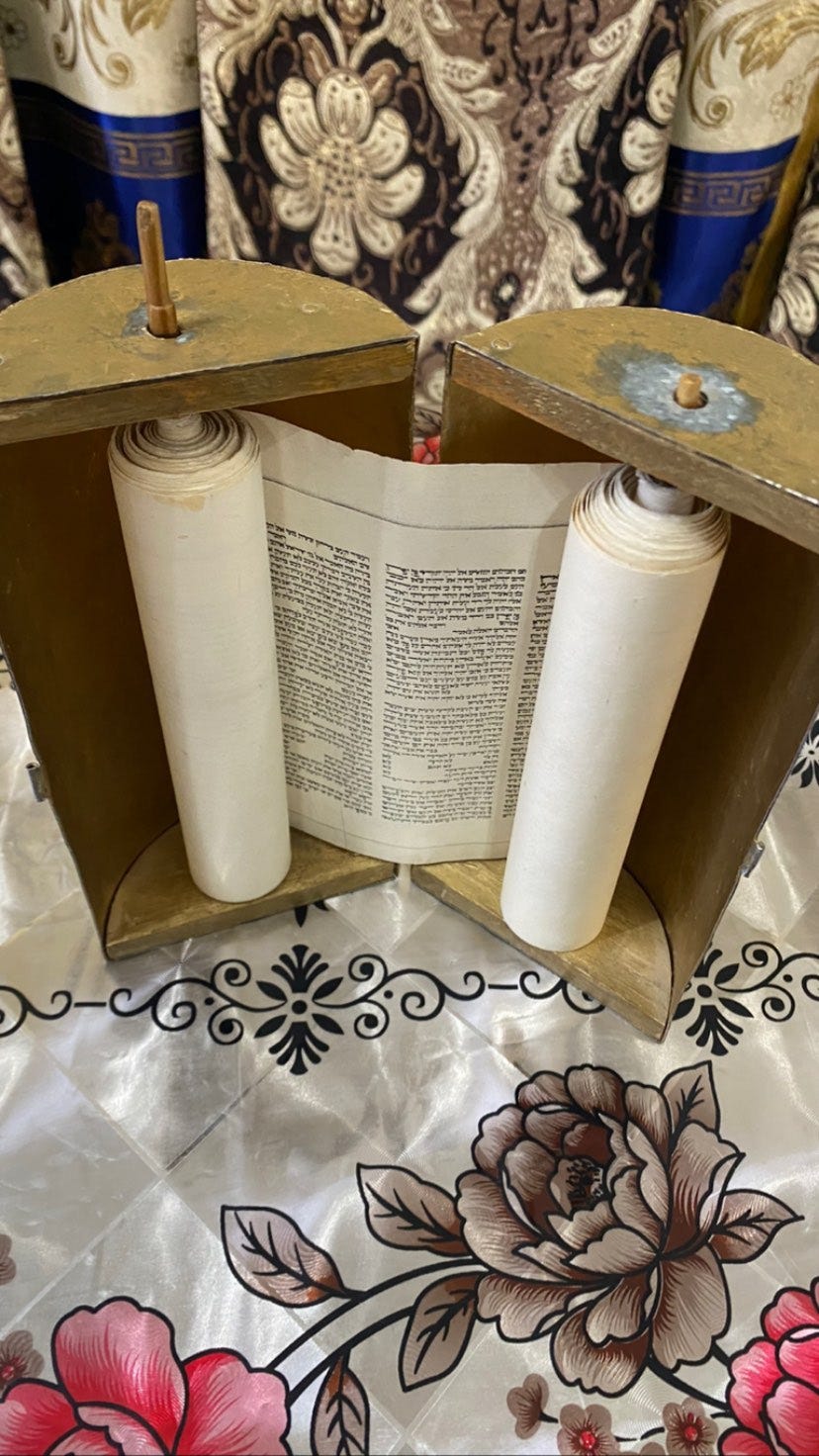
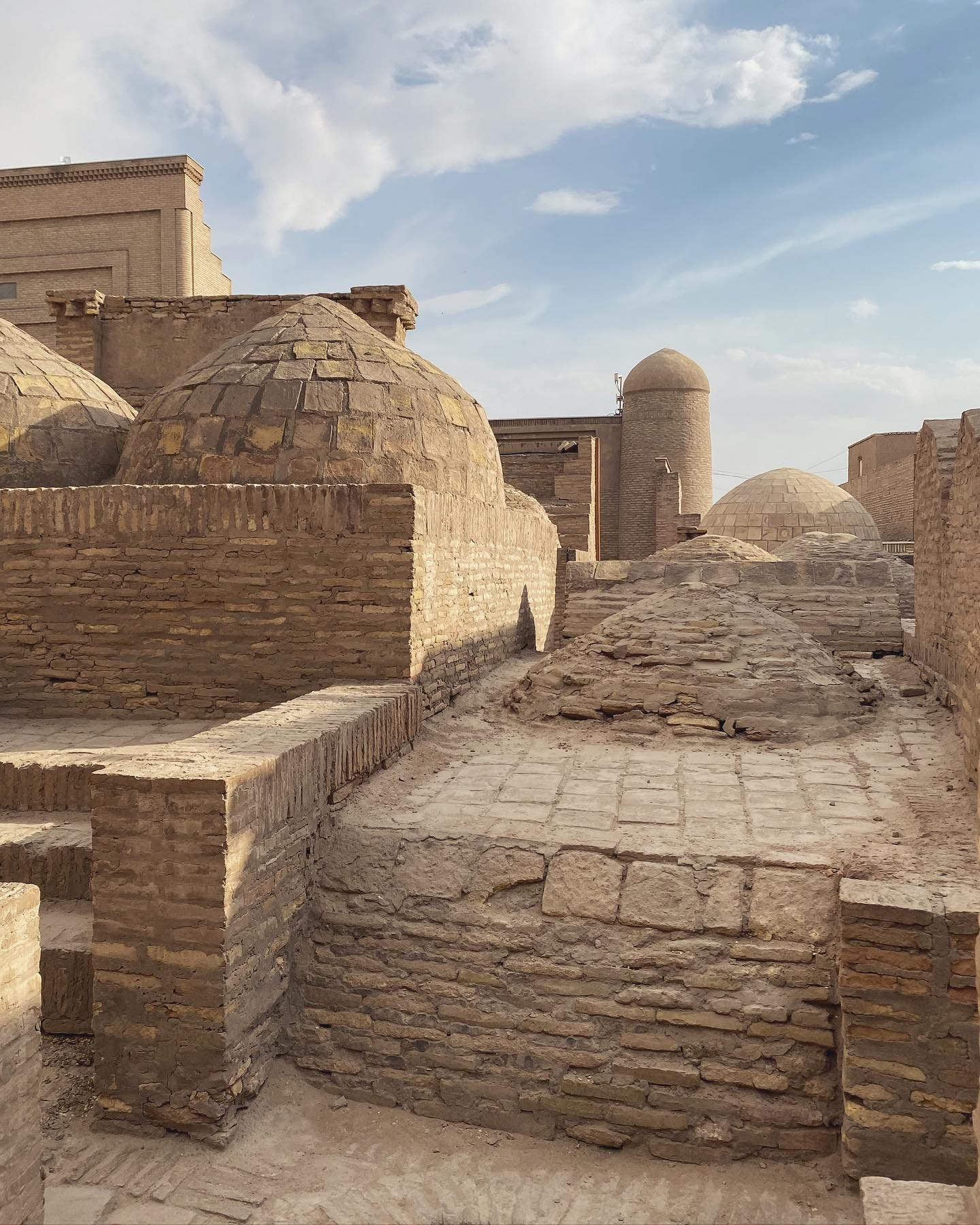
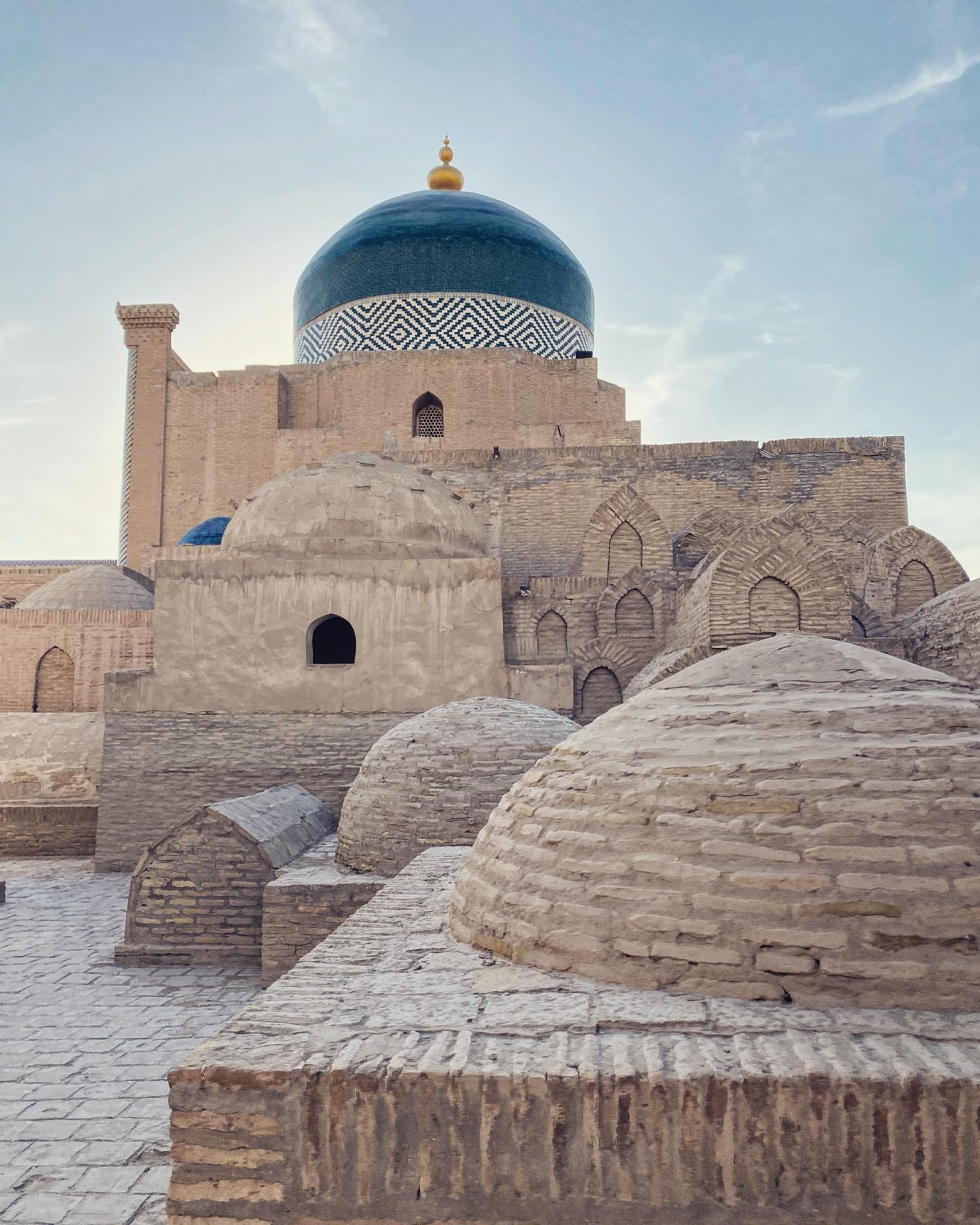
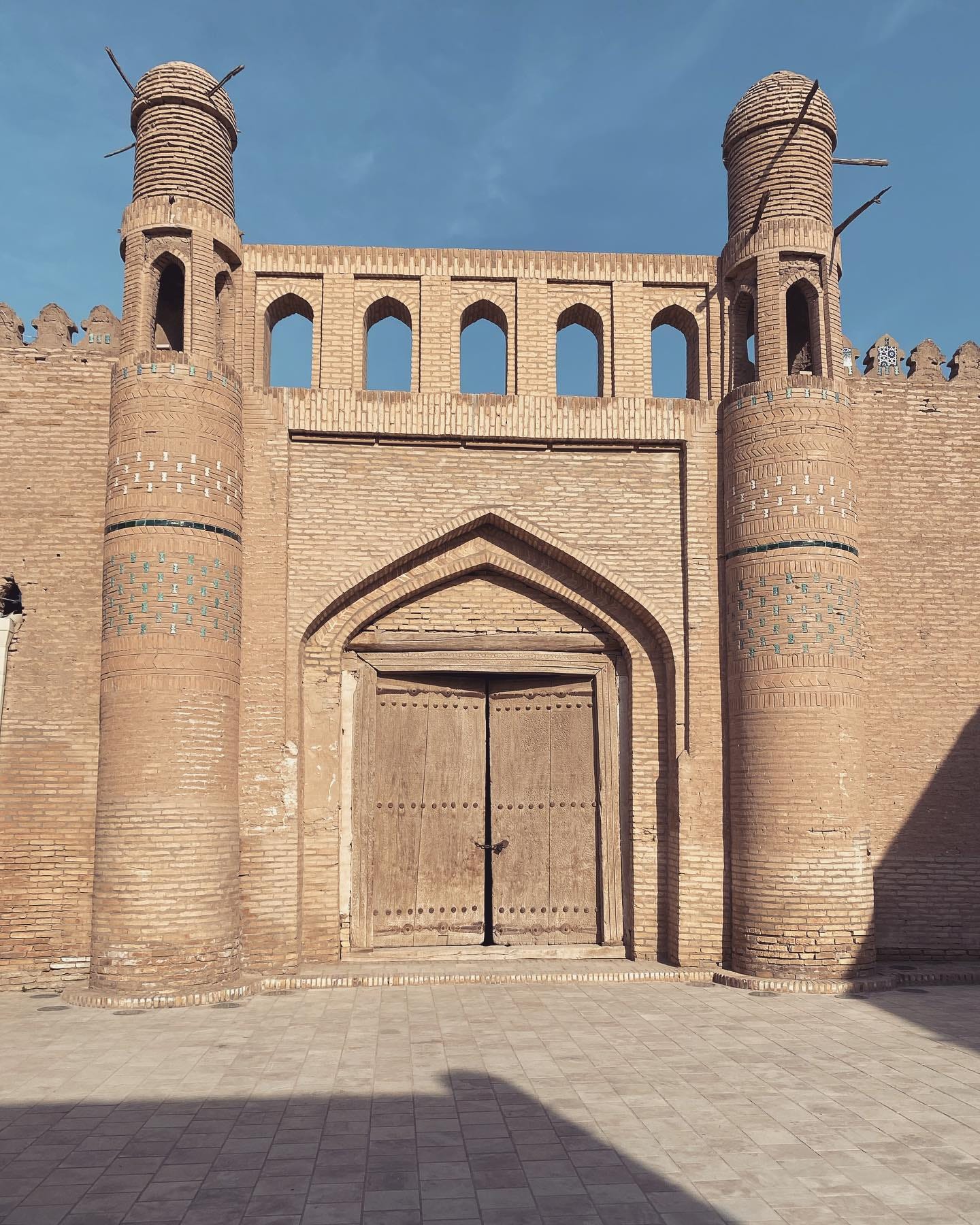
We visited the turquoise blue tiled mosques of Samarkand and the famous madrasas of Bukhara which served as self-contained religious colleges, function not entirely differently from the initially religiously-minded colleges of medieval Oxford and Cambridge. Despite the 35 degree celsius summer heat, the genius of Islamic architects kept these sites cool and shaded through countless building techniques to shade, cool, and expel warm air efficiently. We visited the ancient Jewish community in Bukhara and attended a Ma’ariv service in an ancient synagogue, complete with a 15th century Mikvah (which has now fallen out of use). While many of the Bukharan Jews have relocated to New York City, Israel, or elsewhere, a small group of this important Diaspora community remains in Bukhara and uphold’s the communities traditions. In Khiva, Uzbek artisans showed up how they craft beautiful woodworking, calligraphy, and books that they then sold alongside left-over Army surplus gear left behind by the Soivets. When driving in the in Karakum Desert, our local contact took us for lunch and vodka from a remote truck stop where we bonded over a $3 USD bottle of Russian vodka with travellers from Afghanistan, Tajikistan, Kazakhstan, Kyrgyzstan. Despite endlessly bumpy roads and a long wait we eventually crossed the famous Amu Darya — previously the Oxus River which Alexander the Great crossed before establishing Alexandria Eschate (“Alexandria the Farthest”, which is now Khujand in modern-day Tajikistan) during the Greco-Bactrian campaigns. Near to the Ferghana Valley and not far from when the Ionian Greeks of Bactria may have integrated into Buddhism, we entered the modern-day city of Tashkent with all of its Soviet legacy on display. In Tashkent, I stayed on for some additional fieldwork while my American friend had to return to his consulting role in New York. In every place we went we were humbled by the diversity, complexity, and occasional confusion, that this part of the Silk Road have evoked (and continues to evoke).
Despite often being forgotten about or relegated, Central Asia represents one of the most fascinating and important parts of the world. What follows are some unorganized photos and memories of our time there. I hope you will enjoy them as much as we enjoyed our time there.
Broderick McDonald
University of Oxford, Kings College London